Skip to content

Justice for the Johnsons

When Lou Bertha and Shelby Johnson sued the City of Huntsville in 1946 over a zoning dispute, they showed that it was possible for a Black business owner to fight City Hall in the Jim Crow South . . .and win!

The Johnsons were an American success story. In 1920, they founded Grand Shine Parlor, a combination shoe-shine parlor and dry cleaning shop that well-dressed Huntsvillians trusted with their suits, dresses, and furs. In 1946, the couple purchased a lot on Franklin Street to build a modern dry cleaning plant with state-of-the art equipment. When the City of Huntsville placed zoning restrictions on the property that stopped their project, the Johnsons didn’t accept the loss and walk away. Instead, they hired a lawyer. They filed appeals. And they pursued justice all the way to the Alabama Supreme Court.

And they won.

“Justice for the Johnsons: How a Black-Owned Business Fought City Hall and Won” is the second exhibition in our series exploring the transformative power of Black entrepreneurship in Huntsville during the early twentieth century. “Justice for the Johnson” joins “Brick by Brick: The Legacy of Henderson and Daniel Brandon” exhibition in the Historic Huntsville Museum. Daniel and Ellen Brandon were mentors to Lou Bertha and Shelby Johnson. Along with highlighting the accomplishments of each family business, the two exhibitions show how Black leaders, male and female, advocated for their Constitutional rights and challenged Jim Crow.
Justice for the Johnson
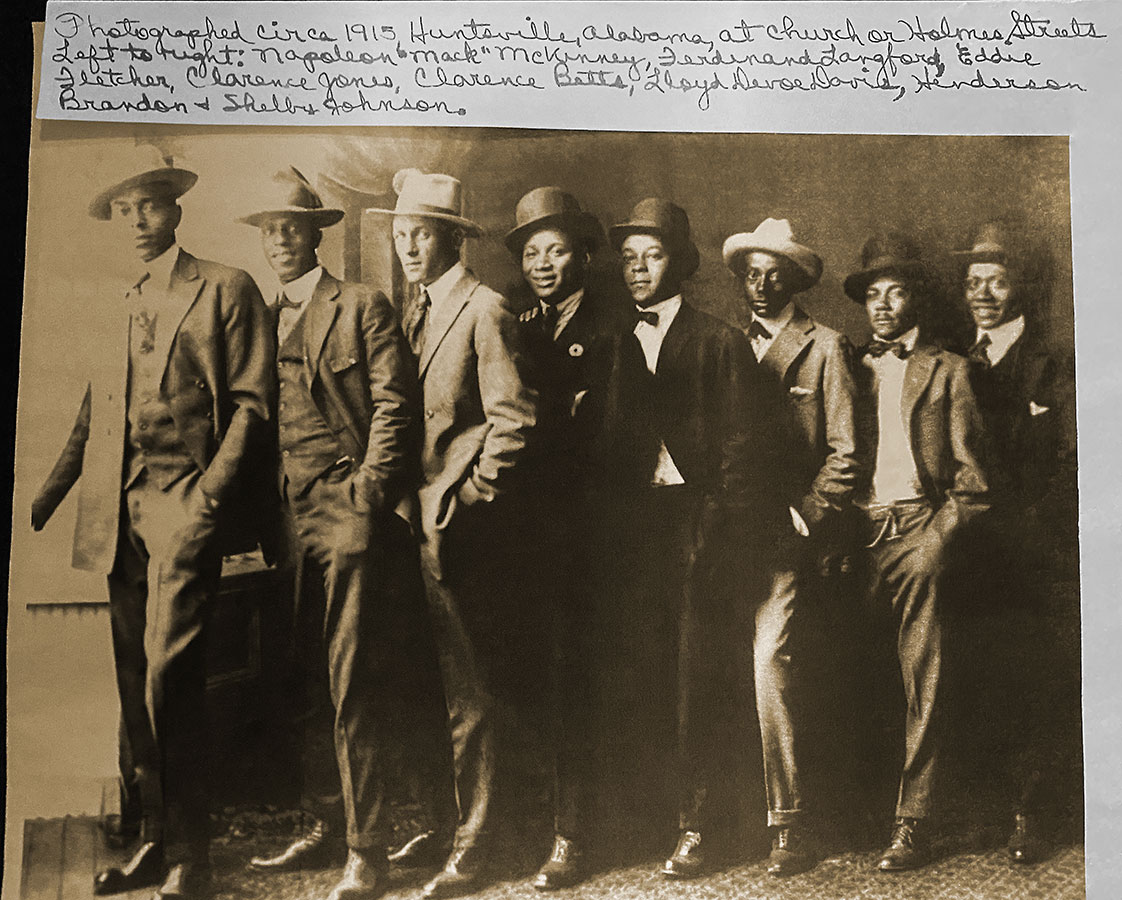
A New Generation of Huntsville Leaders. Shelby Johnson, far right. To his left is Henderson Brandon, son of Ellen and Daniel Brandon.
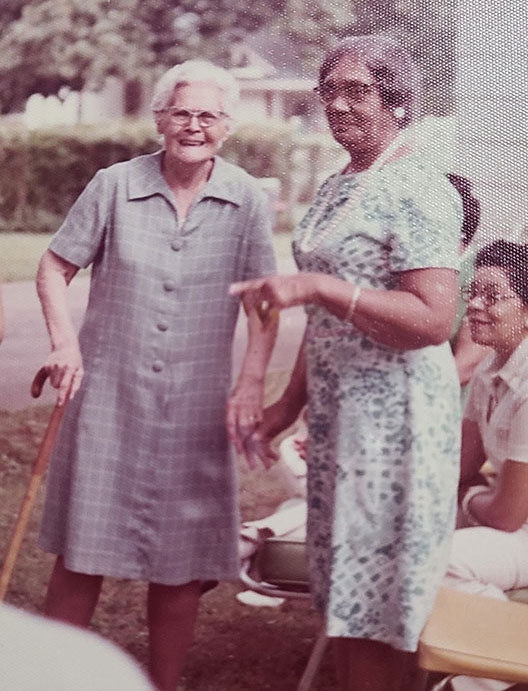
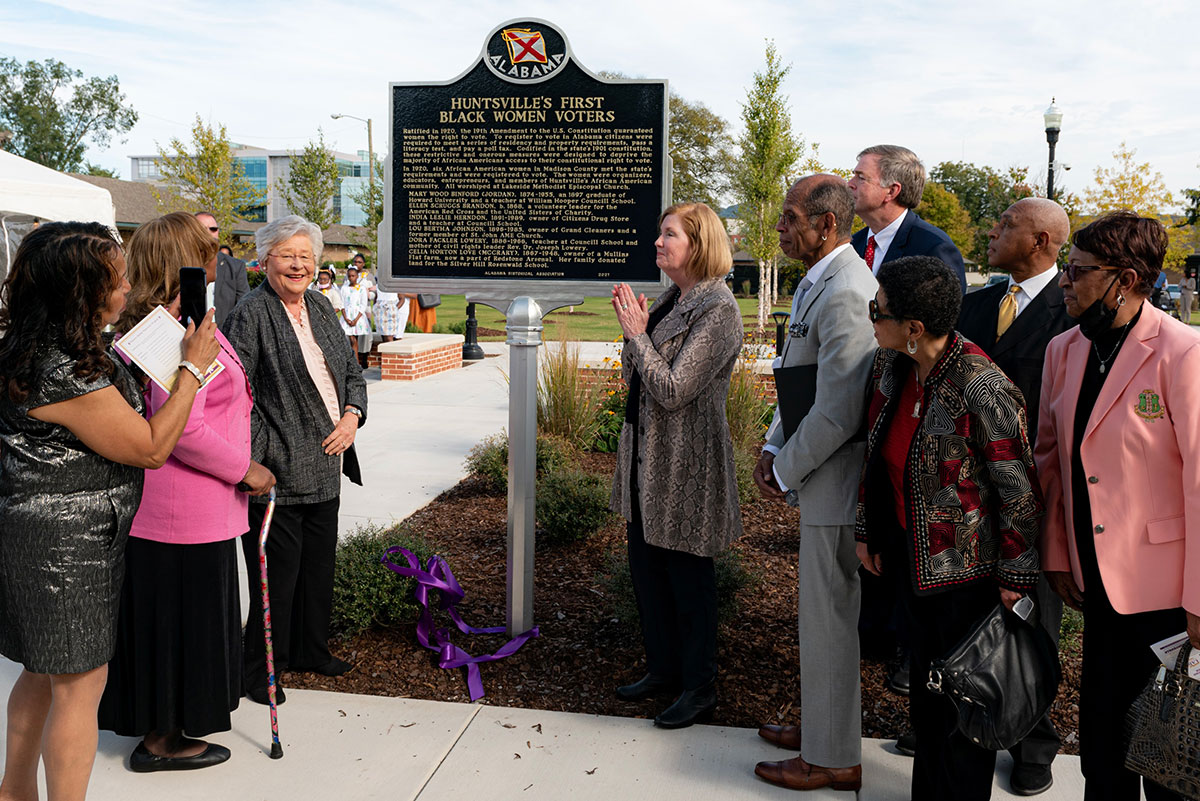
Lou Bertha Johnson, right, in the garden of India Herndon, left. Both Mrs. Johnson and Mrs. Herndon were two of six Black women who registered to vote in 1920, the only Black women allowed to register that year. Historic Huntsville Foundation dedicated a marker in their honor in October 2021.
City of Huntsville halts construction of Grand Cleaners in October 1945.
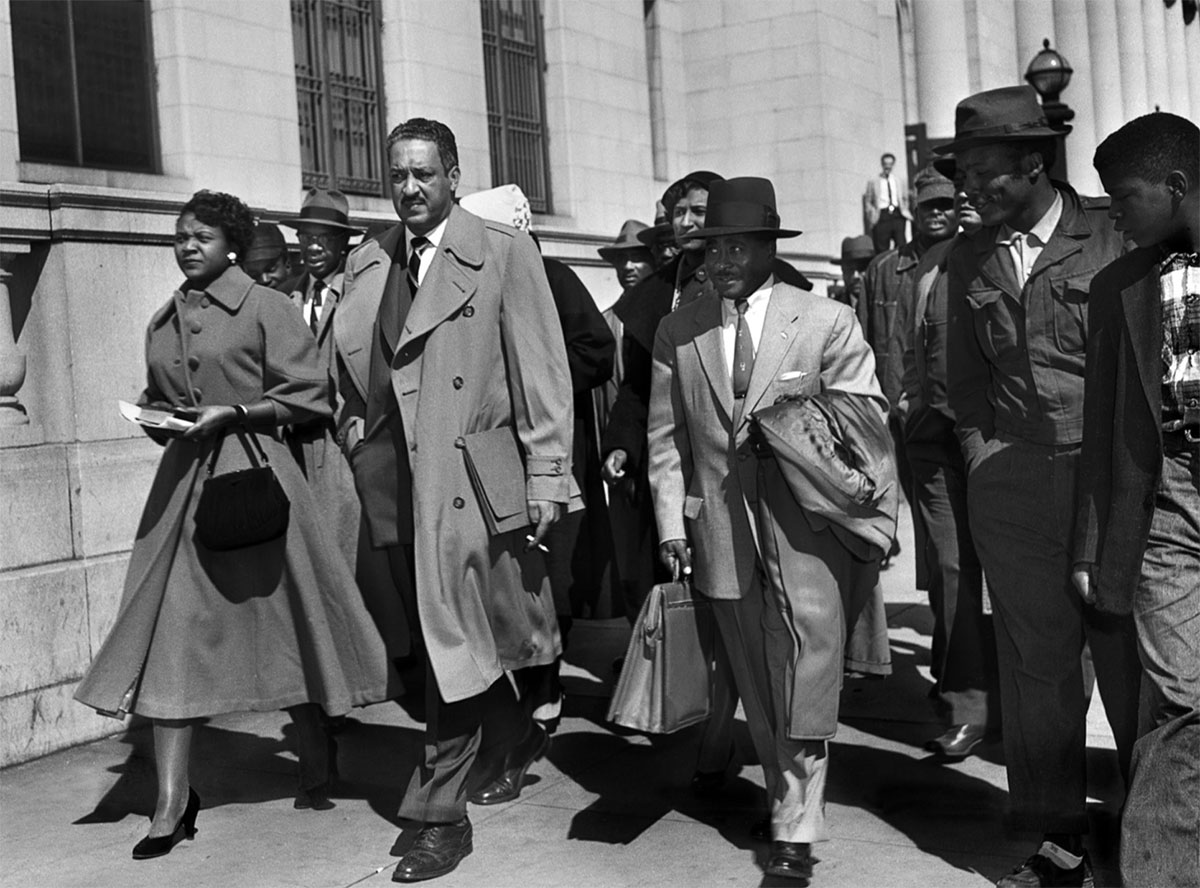
The Johnsons hired civil rights attorney Arthur Davis Shores in 1946 to litigate their case against the City of Huntsville. Shores was a prominent civil rights attorney. Here, Shores is seen with Ms. Arthurine Lucy and future Supreme Court Justice Thurgood Marshall in the 1952 case to admit Ms. Lucy to the University of Alabama.
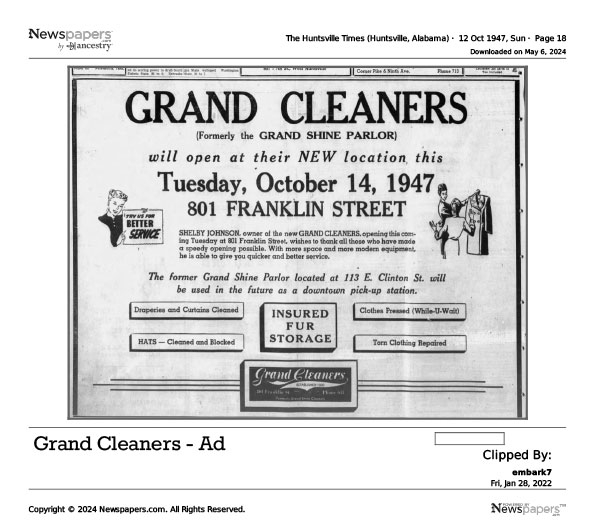
The newspaper ad announcing the opening of Grand Cleaners at 801 Franklin Street.
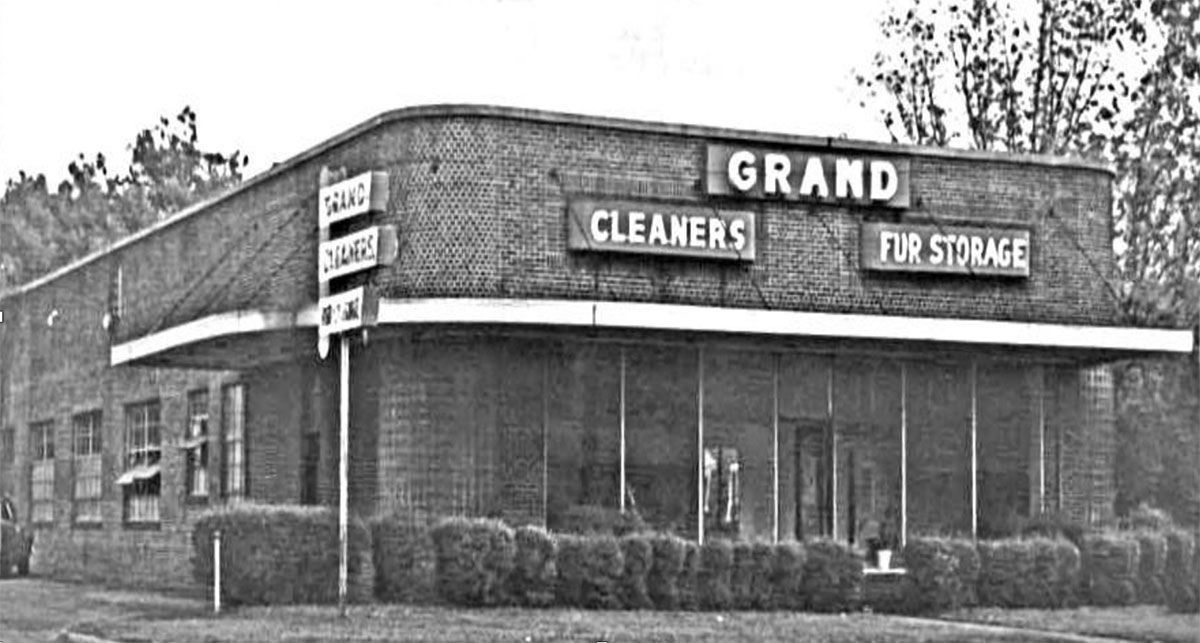
Grand-Cleaners-1950
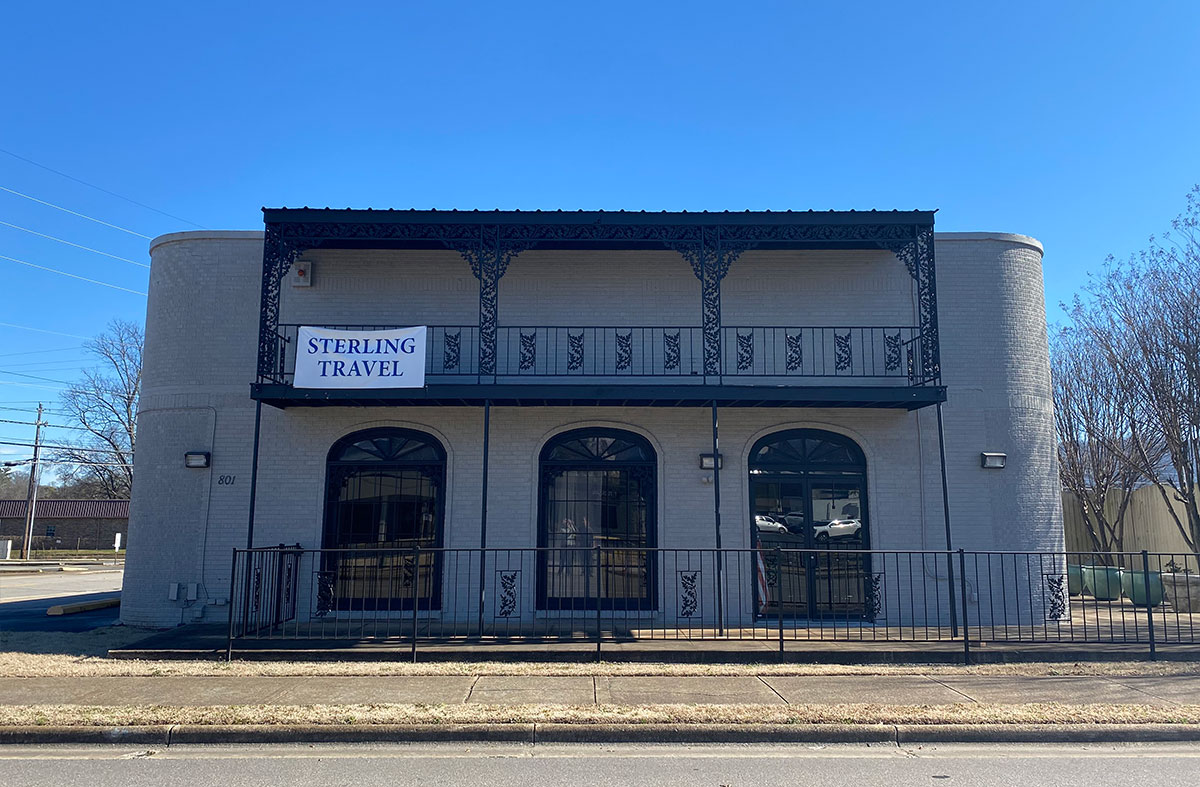
The Grand Cleaners building still stands today, as testament to the Johnsons and their desire for justice. Over the decades, the building has been a dress shop, a restaurant, a brewery, and is now home to a local travel agency and other businesses.
Grand Cleaners celebrates 35 years of their successful business.